Hard Floor Cleaning in W1S
If you live or work in W1S, you already know that floors take a lot of daily wear. From polished stone in elegant townhouses to engineered wood in busy offices, from ceramic tile in boutique retail spaces to vinyl in shared residential buildings, hard floors in this area need more than a quick sweep and mop. They need proper care, the right products, and a method that suits the surface, the finish, and the level of foot traffic. That is where professional Hard Floor Cleaning in W1S becomes especially valuable.
W1S covers a busy and highly varied part of central London, where properties can be older, more delicate, and more challenging to maintain than average. Narrow stairwells, limited loading space, busy daytime traffic, and mixed-use buildings all affect how floor cleaning should be carried out. A local team understands those realities and can plan the work around them, whether the job is in a private apartment, a showroom, a restaurant, an office, or a communal entrance.
Good hard floor care is not just about appearance. It helps extend the life of the surface, keeps the area safer underfoot, and supports a cleaner, more professional impression for residents, visitors, customers, and staff. Request a free quote if you are looking for a dependable solution that suits your flooring type and your schedule.
Why hard floor cleaning matters in W1S
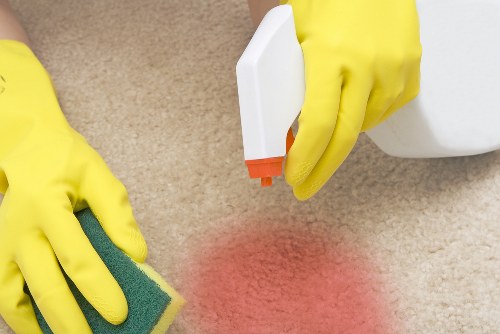
In a location like W1S, floors often face a constant mix of city dust, damp weather residue, outdoor dirt, fine grit, and heavy internal footfall. These particles can collect quickly and become more than a cosmetic issue. Grit can mark polished finishes, dull natural stone, and scratch wood or luxury vinyl over time. Regular cleaning done properly helps protect the surface before this damage becomes difficult or expensive to correct.
Many properties in the area also have a strong design-led feel. Floors are part of the overall impression, especially in retail, hospitality, and office environments around Mayfair and nearby central London streets. A clean, well-maintained floor supports the character of the space and helps it feel cared for. For homeowners and landlords, it also helps preserve the value and presentation of the property.
Another reason local clients seek professional help is the variety of floor types found in the area. A one-size-fits-all approach is rarely suitable. A stone hallway, a sealed hardwood floor, and a tiled reception area all respond differently to water, detergents, machinery, and agitation. Choosing a team that understands hard floor cleaning London W1S requirements means your floor is treated with the correct level of care from the start.
Floor types we commonly clean

Every floor has its own maintenance needs, and a proper service begins with identifying the exact surface and finish. In W1S, we often see a mix of practical and decorative flooring that needs specialist attention rather than basic mopping. The aim is always to clean thoroughly without causing damage or leaving residue behind.
Common hard floor surfaces include:
- Natural stone such as marble, limestone, slate, and travertine
- Engineered wood and sealed hardwood flooring
- Ceramic and porcelain tile in bathrooms, kitchens, and commercial spaces
- Vinyl and luxury vinyl tile in offices, clinics, and retail settings
- Terrazzo and decorative composite flooring
- Concrete and sealed industrial-style finishes
Some of these surfaces need neutral cleaning solutions, while others may need specialist machinery or polishing techniques. In a period property near Mayfair, for example, the wrong product can leave etching or strip away a protective seal. In a high-traffic office, the issue may be built-up dirt in grout lines or scuffs on the floor finish. A professional service takes those differences seriously.
What our hard floor cleaning service includes

When customers enquire about floor cleaning, they often want to know what is actually included. The answer depends on the condition of the floor, the material, and the outcome needed, but a typical service is built around careful assessment, thorough cleaning, and practical aftercare advice.
Our hard floor cleaning service may include:
- Inspection of the flooring type, condition, and finish
- Removal of loose debris, dust, and surface dirt
- Deep cleaning with suitable equipment and products
- Attention to edges, corners, and hard-to-reach areas
- Grout and joint cleaning where applicable
- Spot treatment for marks, spills, and scuffs
- Rinsing or extraction to reduce residue
- Optional polishing, buffing, or finishing where appropriate
- Advice on ongoing care and maintenance intervals
Not every floor needs the same treatment. A polished stone lobby in W1S may benefit from a different process than a tiled kitchen in a restaurant or a sealed wood floor in a private flat. The benefit of professional cleaning is that the method is chosen for the floor, not the other way around.
Local relevance: why W1S properties need a tailored approach

W1S is a central London district with a distinctive mix of property styles and business uses. That variety is one reason local floor cleaning is rarely straightforward. Buildings may be older, access may be tighter, and the flooring itself may have been installed many years ago or maintained by different occupants over time. A local team understands these practical issues and can adapt accordingly.
In residential settings, you may be dealing with townhouses, mansion flats, apartments above shops, or managed blocks with communal areas. These properties can have sensitive finishes, shared access, and restricted times for work. In commercial spaces, the priorities may be presentation, hygiene, speed, and minimal interruption to trading. A local service can plan around these needs more effectively than a team unfamiliar with the area.
Parking and access are also important. Central London loading restrictions, limited stopping space, and lift or stair access can all affect how quickly equipment can be brought in and how the work is scheduled. Because of that, local customers often prefer a company that already understands the realities of working in and around W1S. It saves time, reduces disruption, and makes the visit smoother from the outset.
How the cleaning process works
A good floor cleaning service should feel organised and predictable. Customers want to know what will happen, how long it may take, and whether the floor will be ready to use again soon after the work. While every job is different, the general process usually follows a clear sequence designed to protect the surface and achieve a strong result.
The service often begins with an assessment. This is where the floor type, level of soiling, previous treatments, and any visible wear are checked. If there are problem areas such as old spills, dull patches, stubborn residue, or grout discolouration, these are identified early so the right method can be selected. For some floors, a small test area may be sensible before full cleaning begins.
After the assessment, the floor is prepared by removing loose dirt and debris. Then the selected cleaning process is used, which might involve scrubber equipment, microfibre agitation, steam for suitable surfaces, or specialist solutions for stone and tile. The final step may include drying, buffing, or sealing advice, depending on the material and the customer’s objectives.
Typical service steps
- Initial review of the floor and surrounding space
- Selection of the correct method and product
- Preparation, including debris removal and edge cleaning
- Deep cleaning and treatment of marks or build-up
- Extraction, wiping, or rinsing as required
- Finishing touches and final quality check
Contact us today if you would like a tailored approach for a property in W1S, whether it is a single room, a shared entrance, or a larger commercial area.
Benefits of professional hard floor care

There are many reasons customers choose professional support rather than relying on routine mopping alone. In central London properties, the gap between basic upkeep and proper restoration-style cleaning can be significant. Professional care brings consistency, better results, and a safer approach to different surface types.
Key benefits include:
- Better appearance through deeper removal of grime and marks
- Longer floor life by reducing abrasive dirt and wear
- Improved hygiene in busy homes and workplaces
- Safer surfaces where build-up can cause slipperiness
- Reduced residue from incorrect cleaning products
- More suitable care for delicate or high-value flooring
- Less disruption when the work is planned properly
For landlords and property managers, this can also support a better standard across communal areas and rental units. For businesses, it can help create a stronger first impression for clients and staff. For households, it brings a fresher feel to spaces that are used every day. The right cleaning method does more than improve the look of a floor; it helps protect the investment beneath your feet.
Residential hard floor cleaning in W1S
Homes in W1S often combine style with practical challenges. A polished hallway, a tiled kitchen, or an oak floor in a living space can look beautiful, but each surface collects dirt in different ways. Foot traffic, pets, food spills, moisture from outside, and everyday dust all contribute to dullness and wear. Homeowners usually want a service that is careful, discreet, and efficient.
Residential customers may need help with:
- Entrance halls that pick up street dirt quickly
- Kitchen floors affected by grease, splashes, and cooking residue
- Bathroom tiles that need attention to grout and hygiene
- Living room wood floors that have lost their finish
- Communal areas in flats or managed buildings
Because many homes in the area are in multi-storey buildings or have tight access, it helps to work with a team that is used to central London conditions. The cleaner the plan, the less disruption for residents and neighbours. If your property has delicate skirting, built-in furniture, or polished finishes, those details can be factored into the service.
Practical value for homeowners
Professional cleaning can be especially useful before hosting guests, after renovation work, when preparing a property for sale or letting, or simply when a regular clean is no longer enough. It can also help if there are patches that never seem to come clean no matter how much scrubbing is done by hand. In those cases, the right equipment and solution may make a noticeable difference.
Commercial hard floor cleaning for W1S businesses
Commercial clients in W1S often need cleaning that fits around trading hours and maintains a polished, professional environment. Shops, offices, clinics, galleries, hospitality venues, and reception areas all benefit from flooring that looks well cared for and performs safely under regular use. Floors in these spaces usually experience more frequent traffic, more visible marks, and more pressure to stay presentable.
Different business types often need different outcomes. A retail space may want a bright, spotless floor that helps products stand out. An office may need a reliable maintenance routine with periodic deep cleaning to keep shared spaces in good condition. A hospitality venue may need extra attention to dining areas, entrances, and spill-prone zones. A specialist service can adjust to those needs without overcomplicating the process.
Commercial floor cleaning may be scheduled outside normal hours where possible, helping reduce downtime and avoid interference with customers or staff. The aim is not just to clean; it is to deliver a practical service that supports the way the business operates. That is particularly important in central locations where timing, access, and presentation all matter.
Typical commercial settings served
- Offices and meeting spaces
- Retail units and showrooms
- Restaurants, cafes, and hospitality areas
- Clubs, salons, and treatment spaces
- Medical, wellness, and professional premises
- Shared lobbies and communal corridors
Preparation checklist before your appointment
Preparing the area before your floor cleaning appointment helps the work run smoothly and may improve the final result. Most customers do not need to do anything complicated, but a few simple steps can make access easier and save time on the day.
Useful preparation steps include:
- Remove small loose items from the floor where possible
- Move lightweight furniture if this has been agreed in advance
- Let the team know about fragile surfaces or problem areas
- Share any concerns about previous treatments or finishes
- Arrange access details for flats, offices, or managed buildings
- Check parking or loading restrictions if relevant
If you are unsure whether anything needs to be moved, it is always sensible to ask before the visit. In many W1S properties, the main issue is simply making sure the route into the floor area is clear enough for equipment and safe working. A few minutes of preparation can help avoid delays and protect surrounding items.
What to tell the team in advance
It is helpful to mention if the floor has recently been sealed, if there are any loose tiles, if the surface is delicate, or if the area includes mixed flooring types. Small details can make a big difference to the method chosen. The more the team knows before arrival, the more efficient the visit can be.
Pricing factors and what affects the quote
Customers often want an idea of how floor cleaning is priced, and while exact costs vary, the main factors are usually straightforward. A proper quote should reflect the floor type, the size of the area, the condition of the surface, the amount of labour required, and whether specialist treatment is needed.
Common pricing factors include:
- Floor material and finish
- Total area to be cleaned
- Level of dirt, staining, or build-up
- Need for stain removal or grout treatment
- Access conditions and any site restrictions
- Whether cleaning is routine, deep, or restorative
- Timing requirements, such as out-of-hours work
It is worth remembering that the cheapest option is not always the best for hard floors. Using the wrong product or method can leave residue, dull the finish, or even damage the surface. A sensible quote should reflect proper care, not just speed. That is especially true for stone, wood, and other premium materials commonly found in W1S properties.
Why a detailed quote helps
A clear quote makes it easier to understand what is being done and what is included. It also helps avoid surprises on the day. If the floor is in a particularly delicate or heavily used condition, a more specific assessment may be needed before work begins. That is normal and usually in the customer’s best interest.
Why choose a local W1S floor cleaning company
There are practical advantages to using a team that regularly works in and around W1S. Local experience means better planning, quicker understanding of property types, and more awareness of access issues. In central London, those details can matter just as much as the cleaning itself.
A local company is more likely to understand:
- How to work around restricted access and building management rules
- Common flooring types found in nearby residential and commercial properties
- How to schedule work around busy streets and traffic patterns
- The need for careful handling in period or high-value interiors
- How to reduce disruption for neighbours, staff, or customers
Local service also supports easier communication. When a team knows the area, they can often plan more accurately and arrive prepared for the realities of the job. For many customers, that reassurance matters. Book your service now if you want a flooring team that understands the day-to-day demands of central London premises.
Whether you manage a single apartment, a multi-occupancy building, or a business premises with public footfall, choosing a local specialist can save time and reduce hassle.
Areas covered around W1S
Customers looking for hard floor cleaning in W1S often also need support in the surrounding central London neighbourhoods. Because properties and businesses in this part of the city are closely connected, a flexible service area is important. Nearby locations commonly include parts of Mayfair, Soho, Fitzrovia, Marylebone, St James’s, and the wider West End.
Work in these areas often involves similar practical issues: restricted parking, multi-level access, shared entrances, and a mix of residential and commercial use. A local team that already serves W1S can usually adapt the plan to suit nearby streets and building layouts without unnecessary delay.
Good reasons to keep hard floors maintained regularly
Regular maintenance is often better than waiting until the floor looks badly marked. Routine cleaning can help remove grit before it scratches the surface, keep the area more hygienic, and reduce the need for heavier treatments later. In commercial settings, it also helps present a consistently professional image. In homes, it helps the floor stay fresher for longer.
- Prevents dirt from becoming embedded
- Reduces wear from foot traffic
- Helps preserve the finish of polished floors
- Makes day-to-day cleaning easier
- Supports a cleaner and safer environment
Frequently asked questions
How often should hard floors be professionally cleaned?
It depends on the type of floor and the amount of traffic. Some busy commercial areas may need more frequent attention, while a low-traffic home may only need occasional deep cleaning. A local assessment helps determine a sensible schedule.
Can you clean delicate stone or older flooring?
Yes, but the method must be chosen carefully. Natural stone, historic surfaces, and older finishes can be sensitive to the wrong products or excessive moisture. That is why assessment matters before any work begins.
Will the cleaning leave my floor slippery?
The aim is to remove residues and improve safety, not create a hazard. The right process should leave the surface clean without excess product left behind. Drying and finishing are handled with that in mind.
Can heavy staining or grout discolouration be improved?
In many cases, yes. Results depend on the type of stain, how long it has been there, and the condition of the surface. Some marks respond well to specialist treatment, while others may only be reduced rather than removed entirely.
Do I need to move all furniture first?
Not necessarily. This depends on the scope of work and what has been agreed in advance. Light items may be moved, but heavy furniture or fitted pieces are usually handled based on the specific job plan.
How long before I can use the floor again?
That depends on the flooring type and cleaning method. Some surfaces dry quickly, while others may need more time before full use. You should be given practical advice before the work starts or at completion.
Book professional hard floor cleaning in W1S
If your floor has lost its shine, picked up stubborn marks, or simply needs a proper deep clean, a local specialist can help. Professional hard floor care is a practical way to protect your flooring, improve the appearance of your property, and make everyday cleaning easier. It is especially useful in W1S, where flooring standards are often high and access conditions can be more complex than in suburban areas.
Whether you need help with a private residence, a communal hallway, a retail unit, or an office floor, the service should be tailored to the surface and the setting. That is the difference between a quick clean and a result that genuinely supports the condition of the floor.
Contact us today to discuss your flooring, request a free quote, or arrange a convenient booking time. If you are looking for reliable Hard Floor Cleaning in W1S, a local approach can make the process simpler, safer, and more effective.